Fussy Natural Deodorant: The Refillable, Eco-Friendly Way to Stay Fresh All Day
July 1, 2026
Why MOD BIKES Is the Ultimate E-Bike for Every Rider
July 1, 2026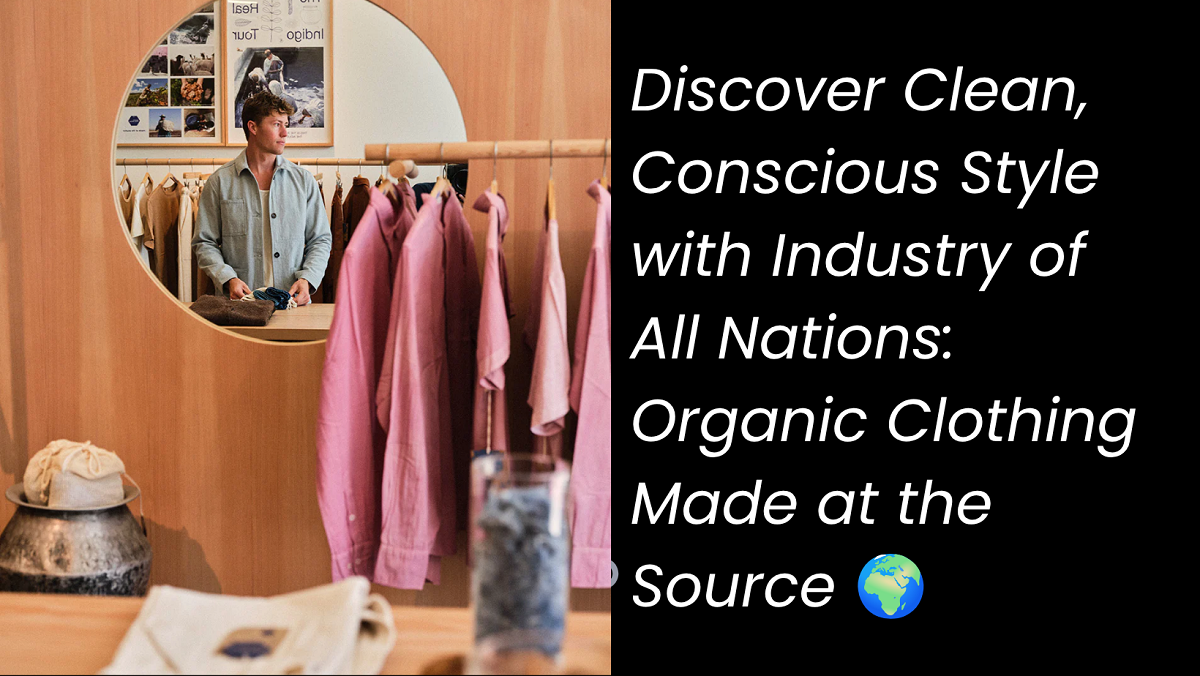
Tired of clothes that feel disconnected from the people and places that made them? Fast fashion often prioritizes speed and low cost over quality, ethics, and the planet. Industry of All Nations offers a different path—everyday garments and home goods created with natural materials, responsible processes, and nothing to hide.
Since 2010, this brand has focused on bringing manufacturing back to the source of the raw materials. The result is durable, non-toxic clothing and objects that support local communities while reducing environmental harm. If you’re looking for organic clothing, recycled fibers, or naturally dyed pieces that last, Industry of All Nations delivers thoughtful alternatives worth investing in.
Brand Overview: Clean Clothes, or No Clothes
Industry of All Nations (IOAN) was founded by three brothers with a clear principle: clean clothes, or no clothes. Natural materials. Responsible processes. Nothing to hide.
Instead of centralizing production in a few low-cost hubs, the brand partners with communities where materials originate. Projects span India (organic cotton and natural dyes), Guatemala (upcycled recycled cotton in a closed-loop system), Peru (wild organic cotton grown with rainwater), Bolivia (undyed alpaca fiber rooted in Andean heritage), and other locations including Argentina, Indonesia, Ethiopia, Madagascar, and the USA.
The approach is collaborative and horizontal. Ancestral techniques meet modern needs. Waste is minimized or upcycled. Dyes come from plants, minerals, or resins when used at all. Many pieces remain undyed to celebrate the natural color of the fiber. Shopping becomes a form of voting—for fairer systems, cultural continuity, and healthier production.
Product Overview: Everyday Goods with a Clear Origin Story
Industry of All Nations specializes in clothing and home goods made from organic cotton, recycled cotton, wild cotton, alpaca, and other natural or upcycled materials. Core categories include:
- Clean Clothes from India: 100% organic fibers, undyed or colored with natural dyes (indigo, iron, shellac, and more). GOTS-certified options appear in the Clean and Wild lines.
- Recycled Fibers from Guatemala: Upcycled textile waste transformed into heavyweight jersey and other fabrics with minimal water use and no synthetic fibers.
- Wild Cotton from Peru: Organic cotton farmed with rainwater irrigation, often left in its natural pigmented state.
- Proyecto Alpaca from Bolivia: Virgin undyed alpaca fibers spun and knitted locally, preserving cultural knowledge.
- Additional offerings: Pants, jeans, shorts, skirts, tanks, polos, knitwear, accessories (hats, scarves, bags, belts), and home items like alpaca throws, blankets, and teak furniture.

These pieces are designed as long-lasting basics rather than trend-driven items. Sizing is inclusive and largely unisex—Petite through XL—with a focus on how the wearer chooses to style them. Care is straightforward: most organic cotton can be machine-washed warm and hang-dried; alpaca benefits from gentle hand-washing or professional care.
Top Categories and Benefits
Clean Crewneck T-shirts and Tees Soft, substantial organic or recycled cotton tees in undyed or naturally dyed shades. Benefits include breathability, durability, and the knowledge that no harsh chemicals touched the process. Many start around $55–$80.
Pants, Jeans & Shorts From drawstring Ponya styles to New Jeans and structured options. Made from organic or upcycled cotton, they offer comfort for everyday wear while supporting closed-loop or low-impact production.
Alpaca Knitwear & Accessories Beanies, scarves, gloves, throws, and heavier pieces. Naturally temperature-regulating, soft, and free of dyes in many cases. Ideal for cooler weather and those seeking animal-fiber alternatives that avoid conventional wool processing issues.
Home & Objects Alpaca blankets, hand towels, teak chairs, and small goods extend the same philosophy beyond the wardrobe.
Key shared features across the range:
- Organic, recycled, or biodegradable materials
- Production at the source of raw materials
- Minimal or zero toxic dyes and chemicals
- Support for living wages and local economies
- Emphasis on longevity and repairability (the brand offers repair and re-dye services for eligible items)
- Transparent storytelling about origin and process
Why Choose Industry of All Nations?
You get more than a garment. You support systems that keep cultural knowledge alive, reduce water and chemical pollution, and give makers a stronger economic stake. The brand prioritizes quality over volume and rarely runs sales, encouraging mindful purchases rather than impulse buys. Physical stores in places like Venice Beach, San Francisco, New York, Joshua Tree, and beyond let you feel the fabrics in person, while the online shop makes the full range accessible.
Pros and Cons
Pros
- Truly natural and low-impact materials with clear provenance
- Ethical collaboration with communities instead of anonymous factories
- Durable construction that rewards long-term wear
- Options for undyed or plant-based color lovers
- Repair and care support that extends product life
Cons
- Higher price point than fast-fashion alternatives (reflects true costs of responsible production)
- Limited color variety compared with chemically dyed mass-market lines
- Natural dyes may require extra care (occasional residual dye on first washes; avoid certain acids with iron-based colors)
- Stock and sizing can vary by production batch

These trade-offs are intentional. The brand asks customers to buy less and choose better.
Customer Trust and Real Experience
Shoppers drawn to Industry of All Nations often praise the hand-feel of the fabrics, the comfort of the cuts, and the satisfaction of knowing the story behind each piece. The undyed collections in particular have become standouts for those seeking simplicity and lower chemical exposure. Physical stores and consistent online communication build confidence, and the company’s long track record since 2010 reinforces credibility. Transparency about processes—rather than heavy reliance on third-party certifications for every partner—further strengthens trust among conscious buyers.
Focused FAQs
Are Industry of All Nations products organic? Yes in spirit and practice. Materials come from organic cotton, natural fibers, or upcycled natural waste. Clean Clothes (India) and Wild Cotton (Peru) lines include GOTS-certified options.
Where are the products made? At the source of the materials—India, Guatemala, Peru, Bolivia, and other partner locations—so communities can grow or raise the fiber and finish the goods.
Do the clothes shrink or require special care? Clean Clothes are pre-washed and pre-shrunk. Hang-drying is recommended for best results. Specific care notes appear on garment labels.
Are workers paid fairly? Yes. Fair compensation and improved living standards for partner communities are core to the model.
Ready to Wear Clothes with a Clear Conscience?
Industry of All Nations proves that everyday essentials can be made with respect for people, place, and planet. Whether you start with a Clean Crewneck T-shirt, a pair of upcycled jeans, or an alpaca accessory, each purchase supports a more thoughtful way of making.
Visit the official store at industryofallnations.com to explore the full collection, learn the stories behind the projects, and choose pieces that align with how you want to live. Buy what you need. Wear it well. Support the industry of all nations. ✨