
How to Choose the Right Carry-On Luggage for Travel
August 16, 2026
Medical Weight Loss: How Testing and Telehealth Care Work
September 5, 2026
Low testosterone in men can affect energy, sexual health, muscle maintenance, mood, and other aspects of daily life, but symptoms alone do not establish a diagnosis. That makes understanding testosterone testing just as important as understanding possible treatment options. If you are researching low testosterone, a useful starting point is learning what symptoms can mean, how clinicians confirm low levels, and when treatment may be appropriate. Hone Health approaches this process through lab testing, telehealth consultations, and physician-guided care. Its programs also include broader longevity and metabolic services. This guide explains the basics so you can better understand what to look for before exploring a clinical service.
Why Low Testosterone Matters
Testosterone is involved in several functions, including sex drive, sperm production, bone health, red blood cell production, muscle development, and body-fat regulation. Levels can vary with age, health conditions, medications, sleep, weight, and other factors.
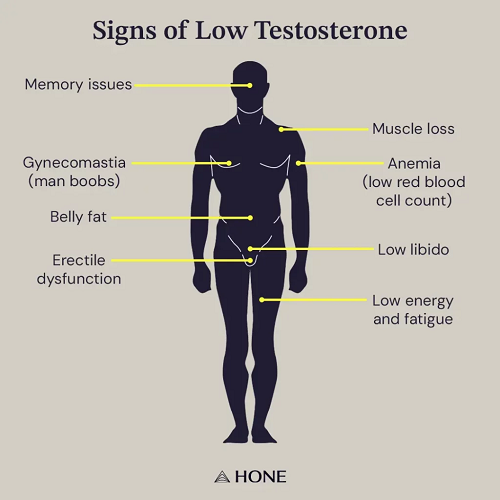
Common symptoms associated with testosterone deficiency may include reduced libido, fewer spontaneous erections, fatigue, reduced muscle mass, and difficulty concentrating. However, these symptoms can have many causes. The Endocrine Society recommends diagnosing hypogonadism only when compatible symptoms or signs occur alongside consistently low testosterone measurements.
That distinction matters because feeling tired or noticing a change in body composition does not automatically mean testosterone therapy is appropriate.
How Hone Health Fits the Topic
Hone Health provides a telehealth-based approach that combines laboratory testing with physician consultation. Its current materials describe an initial testing process that can measure 50 or more biomarkers, followed by a consultation with a licensed physician. Depending on the results and medical history, the provider may discuss lifestyle changes, supplements, or prescription treatment.
For men considering testosterone replacement therapy, Hone states that prescribing requires clinical evaluation rather than simply requesting medication. Its clinical policy says the evaluation can include symptoms, medical history, questionnaires, laboratory testing, and a one-on-one video or audio consultation.
What Testing Can Tell You
A testosterone test is more useful when interpreted in context. Hone’s published clinical policy lists testosterone, free testosterone, SHBG, albumin, LH, estradiol, liver-related markers, hematocrit, PSA, and other measurements among the testing used for men being evaluated for hormone treatment.
If an initial result suggests possible eligibility for hormone therapy, Hone says a confirmatory lab test may be required for men before treatment. The company’s membership FAQ explains that this additional testing is intended to confirm the diagnosis and support safe treatment decisions.
Treatment Options Available Through Hone Health
Hone’s current treatment listings include several prescription testosterone formats for men, including testosterone cypionate injections, testosterone cream, and testosterone troches. It also lists non-testosterone hormone-related options such as clomiphene, enclomiphene, and anastrozole for eligible patients.
Treatment is not automatically appropriate for everyone with a low measurement. Hone’s clinical policy says its physicians determine whether medication is medically appropriate based on the patient’s individual circumstances and clinical evaluation.
This model can suit people who want testing and treatment decisions handled within one clinical process.

Pricing and Membership
Current Hone information lists several membership levels. Its Basic plan is $25 per month and includes recurring testing every six months, while Plus is listed at $135 per month and Premium at $155 per month in the current membership documentation. Initial testing and consultations can have separate costs depending on the plan and pathway.
Hone also states that medication costs are separate from membership in some plans. For example, its current testosterone cypionate page lists the medication from $28 per month plus membership, while testosterone troches are listed from $60 per month plus membership. Prescription eligibility requires consultation with a healthcare provider.
Pricing and availability can change, so verify current costs and eligibility with Hone before starting.
Pros and Cons to Consider
Potential advantages include structured testing, access to licensed clinicians through telehealth, and multiple treatment categories. Hone also provides ongoing testing and follow-up options in its higher membership tiers.
Potential limitations include membership fees, separate medication costs, additional testing when clinically required, and the fact that treatment is not guaranteed simply because symptoms or a single test result suggest low testosterone. Prescription therapies also require appropriate medical evaluation.
Frequently Asked Questions
What are common signs of low testosterone?
Reduced libido, fatigue, fewer spontaneous erections, reduced muscle mass, and concentration changes can occur, but these symptoms are not specific to testosterone deficiency.
How is low testosterone diagnosed?
Diagnosis generally combines compatible symptoms or signs with consistently low testosterone measurements rather than relying on symptoms alone.
Does Hone Health prescribe testosterone?
Hone lists testosterone cypionate, cream, and troches for eligible men. A licensed physician must determine whether testosterone treatment is medically appropriate.
How much does Hone Health cost?
Current published membership prices include Basic at $25/month, Plus at $135/month, and Premium at $155/month, with some testing, consultation, and medication costs varying by plan.
Can low testosterone have causes other than aging?
Yes. Health conditions, medications, sleep, weight, and other factors can influence testosterone levels, so proper clinical evaluation is important.
Conclusion
Understanding low testosterone starts with evidence-based testing rather than assuming that a single symptom has one cause. Symptoms, repeated laboratory measurements, medical history, and clinical evaluation all help determine whether treatment is appropriate. Hone Health currently combines biomarker testing, telehealth physician consultations, and several hormone and men’s health treatment options. If you are exploring testosterone care, review the current testing requirements, membership costs, medication pricing, and clinical eligibility before making a decision. You can explore the official Hone Health platform to see its current services and determine whether its approach fits the type of care you are looking for.